Over the years I have tested more notebooks than I care to count. Some sat unused on a shelf, their pages too slick for fountain pens. Others fell apart halfway through a project. A few became trusted companions, filled cover to cover with notes, drafts, and unexpected breakthroughs. If you are looking for notebooks for writers that actually support the way you work, the choice matters more than most people think.
The writing process is personal. Some of us need blank pages to sketch ideas freely. Others rely on grid or dot patterns to keep outlines neat. Paper texture, binding, portability, and even the way a notebook lies flat under a desk lamp can affect how often you reach for it. I have spent decades working through these variables, and I want to share what I have found.
Paper Quality Is Not a Luxury
Cheap paper bleeds, feathers, or ghosts through to the next page. That may sound minor, but it disrupts flow. When you are in the middle of a scene or working through a complex argument, the last thing you need is ink bleeding through and obscuring your own words. Good paper is a foundation.
Tomoe River paper remains a standout for anyone who writes with fountain pens. It is thin, lightweight, and handles ink beautifully, showing shading and sheen without bleed-through. Many premium notebooks use it, including some from Hobonichi Techo and certain limited editions from Midori MD. The downside is that the paper is so thin you can see text on the other side in some lighting, but that is a trade-off most fountain pen users accept gladly.
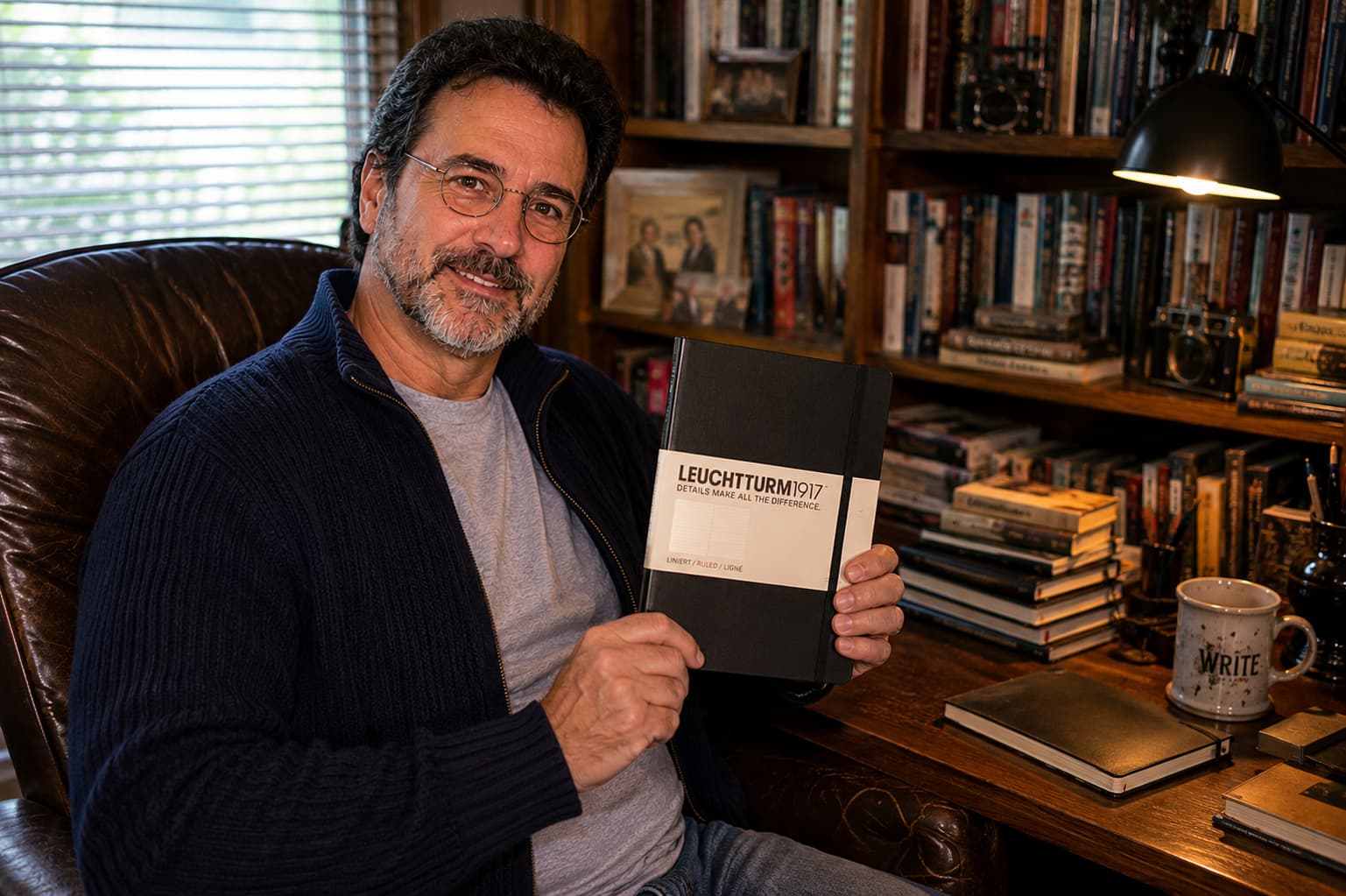
Rhodia and Clairefontaine use heavier, smoother paper that works well with rollerballs and gel pens. The Pilot G2, a common choice among writers on a budget, glides across Rhodia paper without skipping. If you prefer a bit of feedback, the slightly toothy surface of Leuchtturm1917 notebooks gives your pen just enough resistance to feel deliberate. I have used Leuchtturm1917 for years, and while the paper is not as fountain-pen-friendly as Tomoe River, it holds up well with most inks.
Size and Portability
A notebook that stays in your bag gets used more. I have carried everything from A5 hardcovers to pocket-sized Field Notes. Field Notes are great for quick captures, ideas that come while standing in line or waiting for coffee. They fit in a back pocket and come in durable covers that survive being tossed into a bag with keys and pens.
For longer writing sessions, A5 or B6 is my sweet spot. The Maruman Mnemosyne line offers slim, spiral-bound notebooks that lie completely flat. They are ideal for drafting by hand because you can fold the cover back without fighting the spine. Kokuyo notebooks also sit flat and are easy to carry, with perforated pages you can tear out cleanly when needed.
If you are working on a novel or a long project, consider a notebook that holds at least 200 pages. The Hobonichi Techo A5 Cousin has 365 pages, one for each day, plus extra note sections. It is a favorite among writers who keep a daily practice, including Morning Pages as described in The Artists Way. Having that many pages in one book can feel daunting at first, but it also removes the friction of switching notebooks mid-project.
Binding and Durability
Stitching matters more than I realized early on. I lost several notebooks to pages falling out after months of use. Sewn bindings, like those used by Leuchtturm1917 and Midori MD, hold up better than glued spines. The Exacompta range uses a thread-sewn binding that stays flexible and durable even after being stuffed into a bag.
Hardcovers protect pages but add weight. Softcovers are lighter and easier to fold back, but they can get scuffed or bent. The Baron Fig softcover notebooks use a sturdy cover that resists wear, and their dot grid is well-spaced for writing and drawing. If you are rough on your gear, a hardcover from Leuchtturm1917 or a Doane Paper notebook with a flexible but resilient cover is a solid choice.
Specialty Notebooks for Specific Workflows
Not every writer needs the same setup. Some swear by the structure of a Hobonichi Techo, with its dated pages and hourly slots. Others prefer the freedom of a blank Midori MD. I have used both and found that the Hobonichi works best for daily journaling and tracking NaNoWriMo word counts, while the Midori MD is better for brainstorming and character sketches.
Rocketbook offers a different approach. Their notebooks use special paper that works with Pilot Frixion pens. You write, scan the pages with the app, and then wipe the notebook clean with water or heat and reuse it. I was skeptical at first, but for writers who go through dozens of pages of rough draft, it saves money and reduces waste. The feel is not as luxurious as Tomoe River, but the convenience is real.
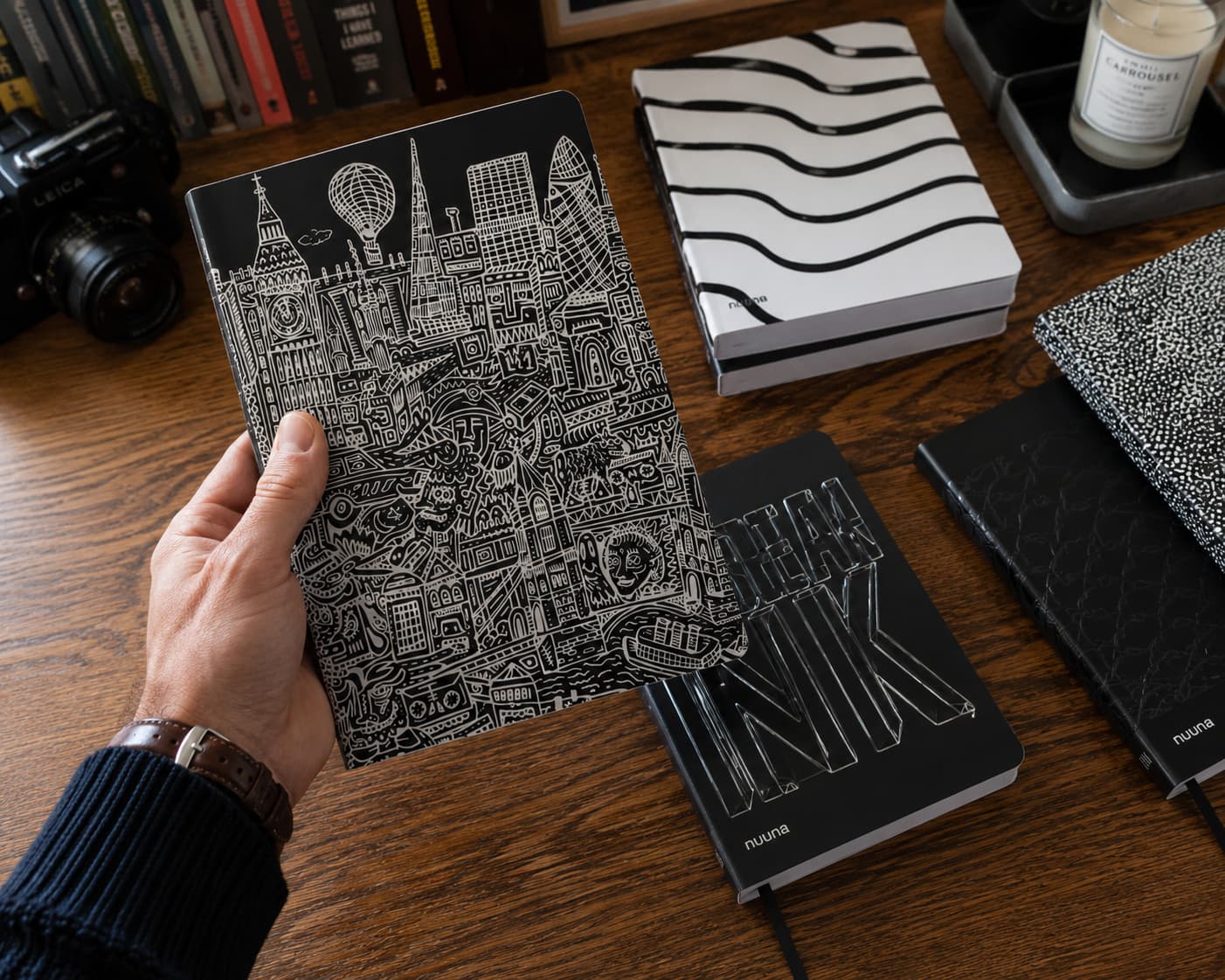
If you work with multiple drafts, the Maruman Mnemosyne notebooks have micro-perforated pages that tear out cleanly, making it easy to rearrange scenes or compare versions. The paper is smooth and works with almost any pen, including the Lamy Safari fountain pen, which I reach for when I want a reliable, inexpensive daily writer.
For writers who prefer a very specific page layout, Baron Fig offers a grid that is tight enough for outlining but unobtrusive for free writing. Their Confidant notebook has a lay-flat binding, a ribbon bookmark, and a pocket in the back. It is a thoughtful design that shows an understanding of what writers actually need.
Common Pitfalls and How to Avoid Them
One mistake is buying a notebook that is too small for your handwriting. I have seen writers cram text into pocket notebooks, only to abandon them because they could not read their own notes. Another is choosing a paper that does not match your pen. If you use a fountain pen with a wet nib, avoid paper that is too absorbent. If you use a Pilot G2 or similar gel pen, nearly any paper works, but smoother surfaces like Rhodia or Clairefontaine give the best feel.
Writer's bloc can be paralyzing. Sometimes the pressure of filling a beautiful, expensive notebook makes it harder to write. I have been there. The solution, for me, was to keep one notebook for "bad" writing, rough drafts, and ideas that might go nowhere. I use a cheap spiral or a Kokuyo Campus notebook for that. My nicer notebooks for writers, the Leuchtturm1917s and Hobonichi Techos, are reserved for work I am ready to polish or for daily journaling that I want to keep.
Building a System, Not Just a Collection
Over time I have settled on a system rather than a single notebook. I carry a Field Notes or a small Baron Fig for capturing ideas on the go. At my desk I use an A5 Leuchtturm1917 or a Maruman Mnemosyne for drafting. For Morning Pages, I use a Hobonichi Techo. For longer hand-written projects, I turn to a Midori MD or a Rhodia Webbie.
This variety might sound excessive, but each notebook serves a different purpose. The key is knowing what each one is for. When you match the tool to the task, you remove friction. The notebook becomes invisible, and the writing takes over.
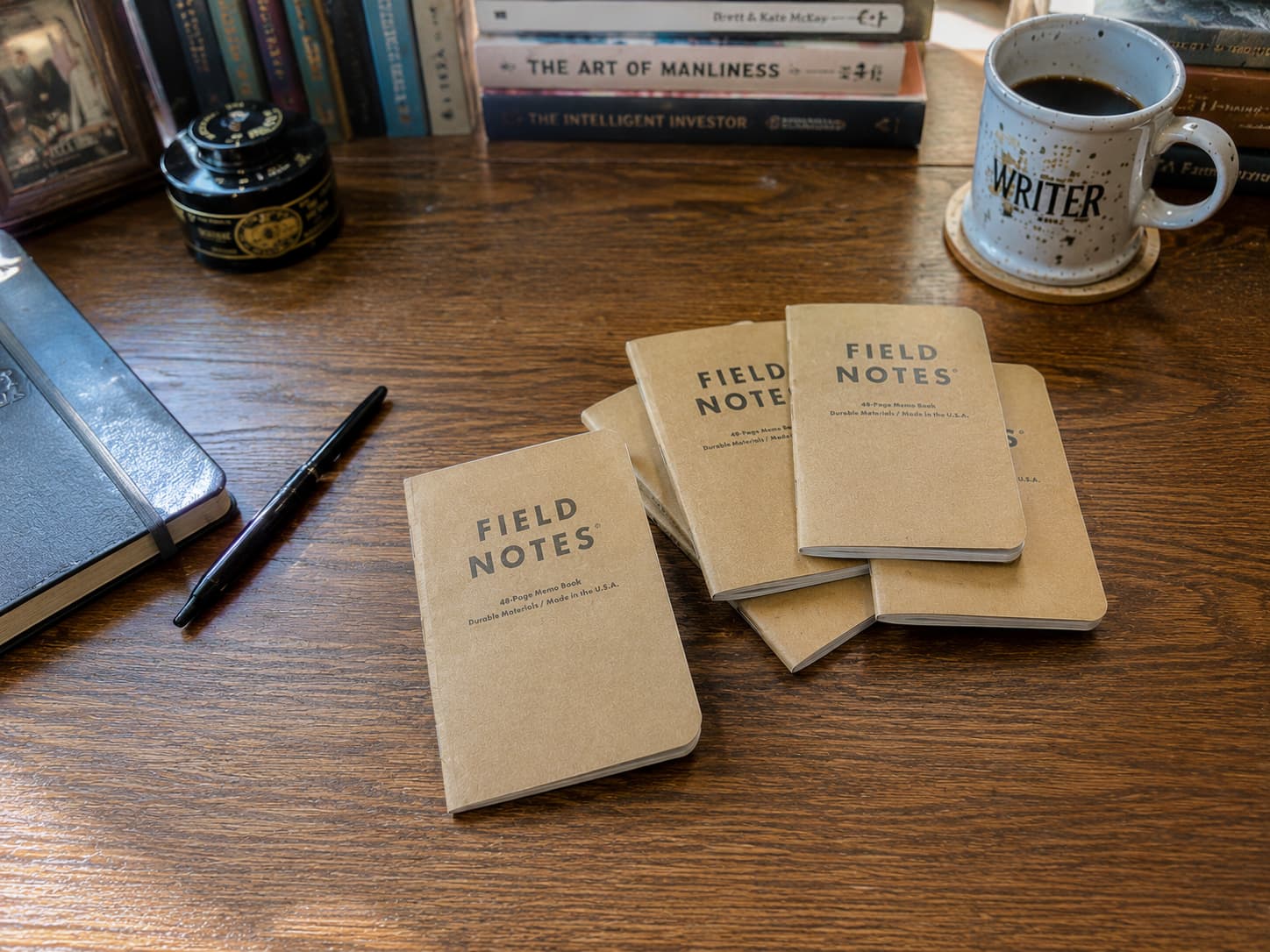
After testing dozens of options, the brands I return to most often are Leuchtturm1917, Rhodia, Midori MD, and Hobonichi Techo. They are not the cheapest, but they are built to last. Their paper handles the inks I use, and their bindings hold up through months of daily use. Field Notes and Baron Fig fill the gaps for portability and specific layouts. Rocketbook and Maruman Mnemosyne have their place in my workflow too, especially for projects that require frequent revision.
The Bottom Line
Choosing notebooks for writers is not about finding the one perfect notebook. It is about understanding your own process and picking tools that support it. Paper quality, size, binding, and layout all matter, but the best notebook is the one you actually write in. If you are just starting out, try a Leuchtturm1917 for general use, a Rhodia pad for quick drafts, and a pocket Field Notes for ideas on the move. From there you will learn what works for you.
I have been testing these tools for years, and I still find new favorites. The landscape of notebooks for writers is rich with options, and the right choice can make your writing life easier. Take the time to explore. Your next notebook might become the place where your best work begins.